Yes, strip out before renovating. Removing internal fixtures, finishes, and services before base building works starts is standard practice because it exposes hidden defects and hazards while the shell is still intact. SafeWork NSW treats this stage as high-risk construction work, and the EPA’s waste toolkit governs how the debris leaves site. Mission Demolition runs this exact sequence on residential and commercial jobs across Sydney every week.
The reasons stack up fast:
- You see the real condition of walls, ceilings, and services before quoting the renovation
- Hazardous materials get identified and removed by licensed professionals, not discovered mid-build
- Trades get clean, fast access, which cuts weeks off a program
Key Takeaways
Stripping a building back to its shell before renovation work begins is what surfaces hidden defects, exposes hazardous materials for licensed removal, and gives trades a clean, accurately quoted base to build from.
| Point | Details |
|---|---|
| Strip out preserves the shell | Unlike demolition, a strip out keeps the structure standing and clears only fixtures, finishes, and services. |
| Survey before you quote | An early asbestos and hazardous materials check prevents costly mid-program surprises and redesigns. |
| Sequence matters | Utility isolation and licensed hazardous removal must happen before general soft strip work starts. |
| Check licences and paperwork | Confirm public liability cover, a written SWMS, and asbestos clearance certificates before appointing anyone. |
| Missiondemolition coordinates the whole job | Strip out, licensed asbestos removal, and waste handling run as one managed process rather than separate contracts. |
Table of Contents
- What a strip out is and what it usually includes
- Why stripping out first pays off on cost and design
- Strip out versus demolition: how to tell which one you need
- When a strip out is the right move
- The step-by-step strip out process
- How long it takes and what drives the cost
- Choosing a contractor: licences, insurance, and the right questions
- Sources
What a strip out is and what it usually includes
A strip out clears everything inside a building down to the structural shell, leaving the frame, load-bearing walls, and roof standing while every non-structural element comes out. That is the key difference from demolition: a strip out preserves the building’s bones so renovation can begin on a genuinely clean base, whereas demolition removes the shell itself.
The scope typically covers:
- Kitchen and bathroom fixtures, cabinetry, and sanitary ware
- Floor coverings, wall linings, and dropped or suspended ceilings
- Internal partitions and non-load-bearing walls
- Electrical wiring, plumbing runs, and HVAC ductwork
You will also hear the term “soft strip” or “selective demolition” used interchangeably. The wording matters more than it sounds. Contractors, insurers, and councils use these terms to scope quotes and approvals correctly, so getting the terminology right on a written quote avoids disputes later.
Why stripping out first pays off on cost and design
A strip out functions as a forensic inspection as much as a clearing job. Once linings and ceilings come down, structural anomalies and hidden service runs become visible, and documenting them at this stage avoids an expensive mid-program redesign when a builder discovers rotten framing or an undocumented gas line three weeks into the fit-out.
The practical upside runs deeper than most homeowners expect:
- Hidden defects such as water damage, termite trails, or dodgy prior electrical work surface early
- Electrical and plumbing upgrades become far simpler to plan against exposed services
- Trades move faster through an empty shell than around half-demolished fittings
- Costing gets accurate because the quantity surveyor is pricing against reality, not guesswork
- Designers get a genuine blank canvas for design freedom, which tends to produce bolder layout decisions once the visual ties to the old space are gone
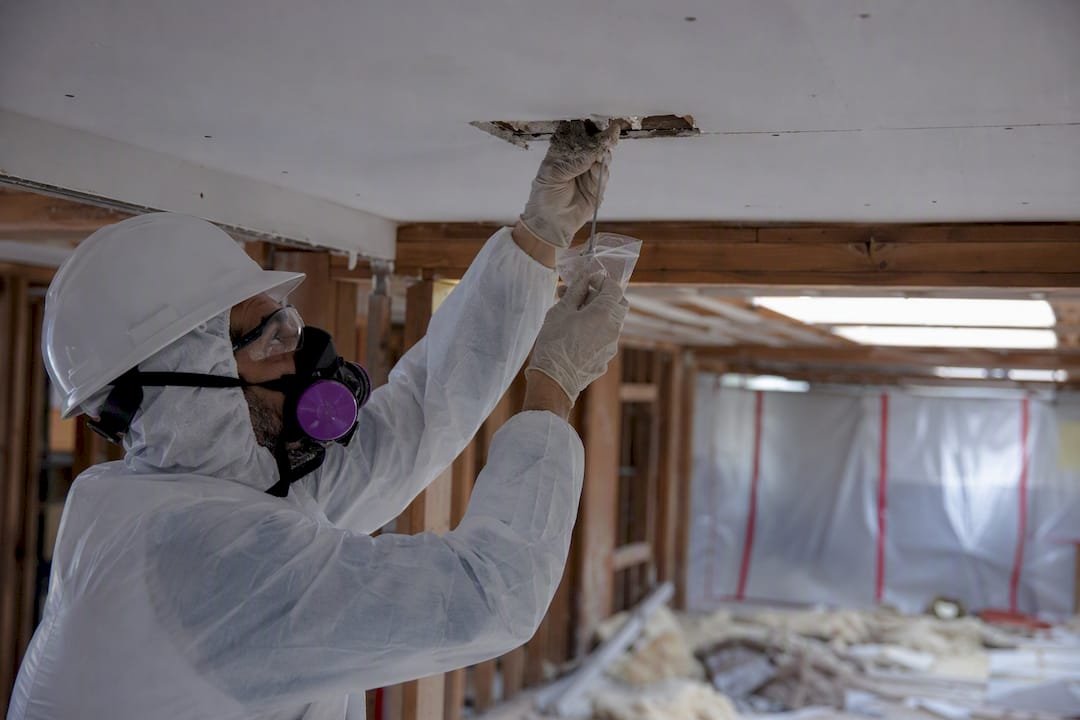
There’s a safety dimension too. Stripping back finishes is often the first point at which asbestos, lead paint, or other hazardous materials become visible, which is exactly why licensed removal needs to happen at this stage rather than being bolted on afterwards.
Pro Tip: Book the asbestos and hazardous materials survey before you finalise your renovation budget, not after. Surprises found mid-strip almost always cost more to fix than the same issue found on paper first.
Strip out versus demolition: how to tell which one you need
The two jobs look similar from the street but differ completely in scope and regulatory trigger.
- Scope: strip out removes fit-out only; demolition removes the structure itself
- Regulatory trigger: strip out may still need approvals for hazardous materials and disposal; full demolition almost always needs formal notification and structural sign-off
- Cost shape: strip out costs scale with fixtures and hazardous material volume; demolition costs scale with structural mass and site access
- Outcome: strip out leaves a shell ready for refit; demolition leaves a cleared site ready for rebuild
The decision rule is simple: if you’re keeping the shell for a renovation, you strip out. If you’re clearing the site for redevelopment, you demolish. Treating a strip out as “just cleanup” rather than demolition-level work is where projects come unstuck, both on safety and on compliance with local approval requirements.
When a strip out is the right move
Most renovation projects that touch more than surface finishes will need one. Common triggers include:
- Kitchen or bathroom remodels where fixtures, tiling, and old plumbing all need to go
- Reconfiguring internal layouts, which means removing partitions and relocating services
- Tenant handback on a commercial lease, where the space must return to base building condition
- Heritage building work, where retaining the external fabric while clearing a compromised interior is the entire point
- Service upgrades, such as rewiring an older home or replacing ageing plumbing throughout
If the building predates the mid-1980s, treat asbestos as a live possibility from day one rather than an afterthought. Occupied buildings can often run a phased or partial strip out, floor by floor or room by room, so residents or tenants aren’t displaced for the whole program.
The step-by-step strip out process
A properly run strip out follows a sequence, not a free-for-all with a sledgehammer.
- Site survey and scope, including a hazardous materials and asbestos check
- Utility isolation, disconnecting power, gas, and water before any physical work starts
- Licensed removal of hazardous materials identified in the survey
- Soft strip sequencing, working top-down through ceilings, fixtures, and linings
- Waste segregation on site, separating recyclable material from general waste
- Final clean, leaving the shell ready for the next trade
Before the crew arrives, owners should sort a few things themselves:
- Clear or relocate anything of value still inside the space
- Confirm site access, including parking for a waste bin or skip
- Arrange temporary services if you’re staying on site during a partial strip out
Two regulatory checkpoints matter here. SafeWork NSW requires formal notification for demolition-classed work in some cases, and council planning approval pathways can apply depending on what’s being removed and where the property sits.
How long it takes and what drives the cost
A small bathroom or kitchen strip out generally runs a short time. A medium house takes longer, and a full floor of a commercial building typically requires a considerably longer period, depending on service density and hazardous material volume.
The cost drivers that move the number most are:
- Presence and volume of asbestos or other hazardous materials
- Site access, including how far waste has to travel to a bin or truck
- Total waste volume and how much can be recycled versus landfilled
- Depth and complexity of electrical, plumbing, and HVAC services being removed
- Location and local labour rates
Accurate scope from an early survey is the single biggest lever against blown budgets. A structured planning approach with a proper site survey and waste plan up front consistently reduces the contingency buffer a contractor needs to quote.
Choosing a contractor: licences, insurance, and the right questions
Not every trade is set up to run a strip out safely or legally. You’re generally looking at licensed asbestos removalists, licensed demolition or strip-out crews, and registered waste handlers, sometimes all three on one job.
Before signing anything, check for:
- Current public liability insurance
- Demonstrated strip-out or demolition experience, ideally with photos or case studies
- A written, itemised quote, not a verbal ballpark
- A safety management plan (SWMS) specific to the site
- Asbestos clearance certificates if hazardous material removal was involved
- Waste transfer notes confirming lawful disposal
Red flags worth walking away from include no written scope, vague answers about where waste actually ends up, and a quote well below everyone else’s. If you own or manage a strata property, check your renovation and strata obligations before work starts. Body corporate rules and building approvals often apply even to internal-only work.
Why trades treat strip outs like demolition
Stripping a building back to its skeleton routinely exposes hazards nobody knew were there, which is exactly why SafeWork NSW classifies this work at demolition-level risk rather than general renovation prep.
- Suspect materials or a pre-1990 build date should trigger an intrusive survey before any strip starts
- M&E systems, ceilings, and partitions all need specialist sign-off before general crews touch them
Pro Tip: If the building’s age or condition gives you any doubt about asbestos, commission the intrusive survey before the quote, not after the first wall comes down.
A contractor’s short note on getting this right
We run every strip out with the same rigour as a structural demolition: survey first, isolate services, remove hazards under licence, then strip. Documented SWMS and clearance certificates aren’t paperwork for the file. They’re what keeps a site safe and a renovation on schedule.
Get your property assessed before renovation work starts
Missiondemolition runs the strip out as one coordinated job, licensed asbestos removal, waste segregation, and approvals support included, rather than leaving you to juggle three separate contractors and hope their timelines line up. That coordination is what actually keeps a renovation program on track, because the biggest delays we see come from gaps between trades, not from the strip out itself.
If you’ve got a renovation on the horizon, get the property assessed now rather than once demolition day arrives and a hidden defect stops the crew cold. Have your building’s age, any known hazardous materials, and your renovation scope ready when you call. You can request an inspection and a written, itemised quote through our demolition services page, and if asbestos is a known or suspected issue, our licensed asbestos removal team can run that survey as part of the same visit.
Sources
- Planning approval pathways — NSW Planning
- Renovations and strata living — NSW Government
- Demolition — SafeWork NSW
- Construction and demolition waste management toolkit — EPA NSW
