Contaminated soil removal in Australia typically runs from tens to several hundreds of dollars per tonne depending on contamination class, with total project costs ranging from amounts typical for small residential jobs to well over several hundreds of thousands for complex industrial brownfields. Costs vary widely by contaminant type, volume, and how far the material has to travel to a licensed facility. Before you budget anything, arrange a site assessment and laboratory classification, or call a licensed remediation contractor for a scoped quote.
TL;DR:
- Soil classified as hazardous or PFAS-impacted can cost over one million dollars for large industrial sites due to treatment and monitoring needs.
- Regional sites face higher costs because haulage fees and waste levies increase with distance to licensed disposal facilities.
- Proper testing to reclassify soil from hazardous to restricted waste can save property owners tens of thousands of dollars by avoiding expensive fees.
- Costs are significantly affected by contaminant type, site access issues, depth of excavation, and the availability of nearby disposal facilities.
- Starting with precise site testing before budgeting ensures a more accurate estimate and prevents overestimating costs based on worst-case assumptions.
Table of Contents
- What does contaminated soil removal cost per tonne?
- What makes contaminated soil disposal cost more or less?
- What line items appear on a contaminated soil removal quote?
- How do you estimate your own site’s removal cost?
- What Australian regulations affect soil disposal cost?
- How can you reduce contaminated soil removal costs?
- How Missiondemolition approaches contaminated soil jobs
- Why the standard cost guide gets this topic half right
- Get a fixed quote for your contaminated soil job
- Sources
What does contaminated soil removal cost per tonne?
The number that matters most is the gate fee, and it changes dramatically once soil crosses from “contaminated” to “hazardous” on the waste classification scale. Testing determines which category your soil falls into, and that single test result can swing your total project cost by tens of thousands of dollars.
Here’s how the bands typically break down across Australian sites:
- Clean or virgin excavated natural material (VENM): costs are generally low and mostly involve transport and minimal gate fees
- Lightly contaminated soil (general solid waste): costs are moderate
- Contaminated soil (restricted solid waste): costs are higher
- Hazardous or PFAS-impacted soil: costs can be significantly higher, especially where specialised thermal or chemical treatment is required
These figures shift a lot by region because state waste levies are baked into every gate fee, and levy rates differ from state to state. A site an hour from Sydney’s licensed disposal facilities pays less in haulage than a regional property three hours from the nearest one.
Scenario totals help put this in context:
| Scenario | Volume | Contamination class | Estimated total |
|---|---|---|---|
| Residential shallow fill (backyard fuel spill) | typical small volumes | Restricted solid waste | thousands to tens of thousands of dollars |
| Medium commercial site (old service station bay) | moderate volumes | Restricted to hazardous mix | tens to a few hundred thousand dollars |
| Complex brownfield (former industrial site with groundwater) | large volumes | Mixed, includes hazardous pockets | several hundred thousand to over one million dollars |
Practitioner pricing guides show a similar spread, with residential jobs often landing in the tens of thousands while industrial brownfields stretch into the hundreds of thousands or millions, largely because of groundwater treatment, longer monitoring periods, and higher contaminant concentrations. Scale cuts the other way too: bigger jobs attract lower per-tonne rates because excavation crews and haulage trucks work more efficiently at volume.
What makes contaminated soil disposal cost more or less?
Five factors decide whether your quote lands at the low end of a cost band or blows straight through it.
- Volume and depth. A cubic metre of soil weighs roughly 1.5 to 1.8 tonnes depending on moisture and compaction, so a 10m × 10m patch excavated to 1 metre depth generates around 150 to 180 tonnes. Depth compounds cost fast because deeper digs need shoring, dewatering, and slower, more careful excavation.
- Contaminant type and classification. Hydrocarbons, heavy metals, and asbestos fibres each trigger different testing protocols and disposal routes under EPA NSW’s waste classification guidelines.
- Site access. Tight urban blocks, overhead powerlines, or neighbouring structures often mean smaller excavators, more manual handling, and slower daily progress. Where a standard excavator can’t get in, contractors sometimes turn to specialised methods like hydro excavation, which costs more per cubic metre but avoids damaging services or foundations.
- Distance to disposal facilities. Regional properties without a nearby licensed tip face materially higher haulage bills, sometimes doubling the effective gate fee once transport is added.
- Special handling requirements. Asbestos-contaminated soil and PFAS-impacted material both demand licensed handling, sealed transport, and often a narrower list of facilities willing to accept the load, which pushes rates toward the top of the hazardous band.
Pro Tip: Ask your contractor for the waste classification report before agreeing to a hazardous rate. A surprising number of sites test as restricted solid waste rather than hazardous once a proper lab suite is run, and that difference alone can save five figures.
What line items appear on a contaminated soil removal quote?
A proper quote breaks the job into stages, and knowing what belongs in each stage stops nasty surprises when the invoice lands.
- Investigation and sampling. A desktop review (Phase I) checks historical land use, followed by intrusive sampling (Phase II) if contamination is suspected. Lab costs typically run $200 to $500 per sample depending on the parameter suite tested, and larger sites need denser sampling grids to satisfy classification requirements.
- Excavation and earthmoving. Mobilisation of plant and crew is usually a fixed fee, then excavation is charged either by the hour, the day, or per cubic metre depending on the contractor and site conditions.
- Transport, tipping, and gate fees. This is usually the single biggest line item, and it’s entirely dependent on the waste classification set in stage one.
- Backfill, compaction, and restoration. Clean fill has to be brought in, compacted in layers, and the site re-graded to its original or agreed contours.
- Consulting, regulatory submissions, and confirmation sampling. After excavation, most jobs require confirmation samples proving the remaining soil meets the target criteria, plus a validation report for council or regulator sign-off.
How do you estimate your own site’s removal cost?
Start with a rough volume calculation, then apply a unit rate based on your likely contamination class. It’s not precise, but it gets you within a workable range before you call anyone.
The formula is straightforward: area (m²) × depth (m) = volume (m³), then multiply by 1.6 (a reasonable average density) to get tonnes. From there, apply your unit rate and add fixed costs for testing and mobilisation.
Worked example 1: Residential backyard, suspected fuel contamination
- Area 8m × 6m, depth 1m = 48m³ × 1.6 = 76.8 tonnes
- Unit rate for restricted solid waste: $200/tonne = $15,360
- Add testing ($1,500), mobilisation ($2,000), and a 15% contingency
- Estimated total: roughly $22,000
Worked example 2: Small commercial site, old workshop
- Area 20m × 15m, depth 1.5m = 450m³ × 1.6 = 720 tonnes
- Unit rate blended across restricted and hazardous pockets: $280/tonne average = $201,600
- Add testing ($6,000), mobilisation ($5,000), backfill ($18,000), and 15% contingency
- Estimated total: roughly $265,000
One figure worth remembering: unit rates fall as project volume rises, because fixed mobilisation and testing costs get spread over more tonnes. A site double the size of another rarely costs double, so don’t assume costs scale in a straight line.
What Australian regulations affect soil disposal cost?
Waste classification is the gatekeeper for every downstream cost decision, and NSW runs on EPA NSW’s Waste Classification Guidelines, which set the thresholds separating general solid waste from restricted and hazardous categories.
A few regulatory items catch property owners off guard:
- Confirmation sampling and chain-of-custody documentation are near-universal requirements once excavation finishes, and lab suites for these typically mirror the $200 to $500 per-sample range quoted earlier.
- Councils frequently require a dilapidation report before demolition or excavation near neighbouring properties, and these typically start from around $330 for a single adjoining property, more for multiple properties or complex sites.
- PFAS and other hazardous designations trigger the most expensive disposal pathway in the country, sometimes requiring specialised treatment facilities rather than standard landfill, which is why PFAS sites so often blow past initial budget estimates.
How can you reduce contaminated soil removal costs?
The single biggest lever is testing before you assume the worst. Consultants regularly find that soil owners feared was hazardous actually reclassifies as restricted solid waste once proper sampling is done, and that reclassification alone can avoid the steepest gate fees on the pricing table.
- Get classification testing done early, before signing any disposal contract based on assumed worst-case status
- Tender the haulage and disposal component to multiple licensed facilities rather than accepting the first quote
- Ask whether on-site treatment or beneficial reuse is a compliant, cheaper alternative to full off-site disposal
- Build a genuine contingency line (10 to 20%) into your budget rather than scheduling to the tightest possible margin
Pro Tip: Request both a lump-sum quote and a unit-rate quote from your contractor. Unit rates work in your favour if the actual volume comes in under estimate, while a lump sum protects you if it comes in over. Comparing both tells you where the risk premium is hiding.
How Missiondemolition approaches contaminated soil jobs
Missiondemolition handles contaminated-soil and licensed asbestos removal work across Australia, combining excavation, transport, and disposal under one project scope rather than juggling separate contractors for each stage.
Before requesting a quote, have these ready: a site plan or survey, any prior soil testing or environmental reports, notes on site access and nearby structures, and your preferred closure or validation standard. That preparation alone speeds up scoping and tightens the accuracy of the first quote you receive.
Why the standard cost guide gets this topic half right
Most cost guides hand you a per-tonne range and call it done, but that number is close to meaningless without the classification test behind it. The real skill in budgeting this work isn’t finding the right unit rate, it’s not assuming your worst-case contamination status before a lab confirms it.
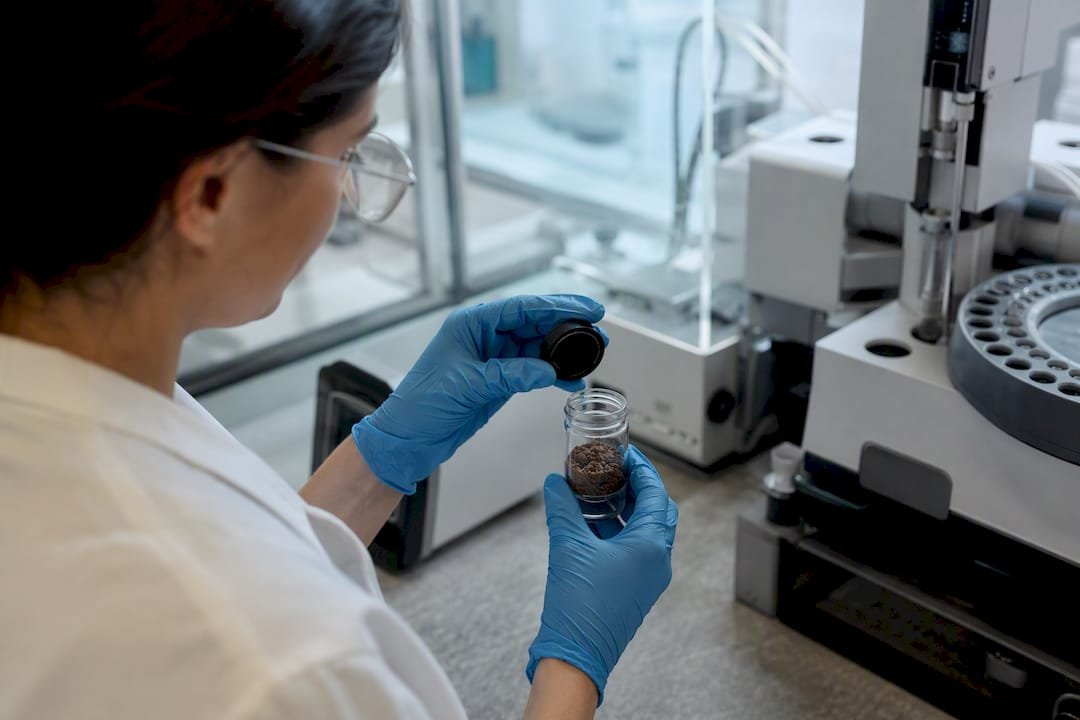
Where conventional advice falls short is treating testing as a formality to tick off after the budget is set. It should come first. A $1,500 sampling program that reclassifies your site from hazardous to restricted solid waste is the highest-return line item on the entire job, and yet plenty of property owners skip straight to seeking excavation quotes based on guesswork.
If you take one thing from this guide, prioritise the sequence: test, classify, then price. Everything else, from contractor selection to contingency sizing, sits downstream of that one result. Readers who follow that order tend to land closer to their first estimate than those who quote first and test later.
— Tarek
Get a fixed quote for your contaminated soil job
Missiondemolition is the direct alternative to juggling separate excavation, transport, and disposal contractors for a contaminated-soil job in Sydney: one licensed team manages sampling coordination, excavation, and compliant disposal under a single project scope, so you’re not chasing three invoices and three timelines.
A proper quote starts with a site visit, followed by a sampling plan if testing hasn’t already been done, and a timeline that accounts for lab turnaround before excavation begins. Missiondemolition’s crews handle everything from site clearance through to excavation, and where asbestos is present in the soil profile, licensed asbestos removal runs as part of the same job rather than a separate engagement. If your site needs contaminated soil handled properly and quoted straight, get in touch through the professional demolition services page and request a site visit.
Sources
- EPA NSW — waste classification guidelines
- Dilapidation Reports NSW — East Coast Building Consultants
- Cost of Soil Remediation in 2026: Complete Pricing Guide – NVES Blog
