
Evacuate the area, keep everyone away from the debris, and call 000 only if someone’s life is in immediate danger. Otherwise, secure the scene, contact a licensed asbestos removalist, and notify the relevant regulator under the emergency pathway. Arrange licensed removal and independent air monitoring before anyone re-enters the space.
TL;DR:
- Contact a licensed asbestos removalist immediately and arrange independent air monitoring before anyone re-enters the affected area.
- Use water to dampen debris and double-bag small fragments if necessary, but never sweep or vacuum asbestos-containing material.
- Notify the regulator within 24 hours if the incident is unplanned, and keep detailed records of all communications, photos, and disposal documentation.
- Ensure removal is conducted by licensed professionals with proper site setup, air monitoring, and clearance testing showing below 0.01 fibres per millilitre.
- Do not launder contaminated clothing at home or attempt DIY removal, and seek medical advice if you suspect exposure, registering it with the national asbestos exposure register.
Table of Contents
- The first-hour checklist for a suspected asbestos incident
- Who to call and what to tell them
- Containing the hazard while you wait for professionals
- Notifying the regulator and keeping the right paperwork
- What a licensed removalist actually does on site
- Getting the waste off site legally
- Looking after your health after suspected exposure
- What to expect from a licensed contractor on site
- Acting fast while staying compliant
- Get emergency asbestos removal started now
- Sources
- FAQ
The first-hour checklist for a suspected asbestos incident
Asbestos incidents rarely arrive on schedule. A storm tears off a fibro roof sheet, a renovation crew hits a wall lining they didn’t know was there, or a fire exposes old insulation. What you do in the next 60 minutes determines how much fibre gets released and how smoothly the cleanup goes afterward.
- Get people out and keep them out. Move everyone, including pets, away from the affected area and close doors behind you.
- Call 000 only if there’s a structural collapse, fire, or someone is trapped or struggling to breathe.
- Cordon the scene. Use tape, furniture, or a simple sign to stop anyone wandering back in, including curious neighbours or returning tenants.
- Call a licensed asbestos removalist and note the time of the call, who you spoke to, and what they advised.
- Reduce dust spread with a light mist of water if it’s safe to do so, and switch off air conditioning or heating systems that could carry fibres through the building.
- Leave the debris alone. No sweeping, no vacuuming, no picking anything up.
- Photograph the damage from a distance only if doing so won’t require you to approach or disturb the material.
The instinct to clean up is strong, especially in a workplace or rental property where every hour of disruption costs money. Resist it. Disturbed asbestos-containing material releases fibres that are invisible and that settle into soft furnishings, clothing, and ventilation systems, extending the contamination well beyond the original damage.
Pro Tip: Keep a simple incident log from the first phone call onward: time, name, what was said. It becomes essential later for insurance claims and regulator paperwork.
Who to call and what to tell them
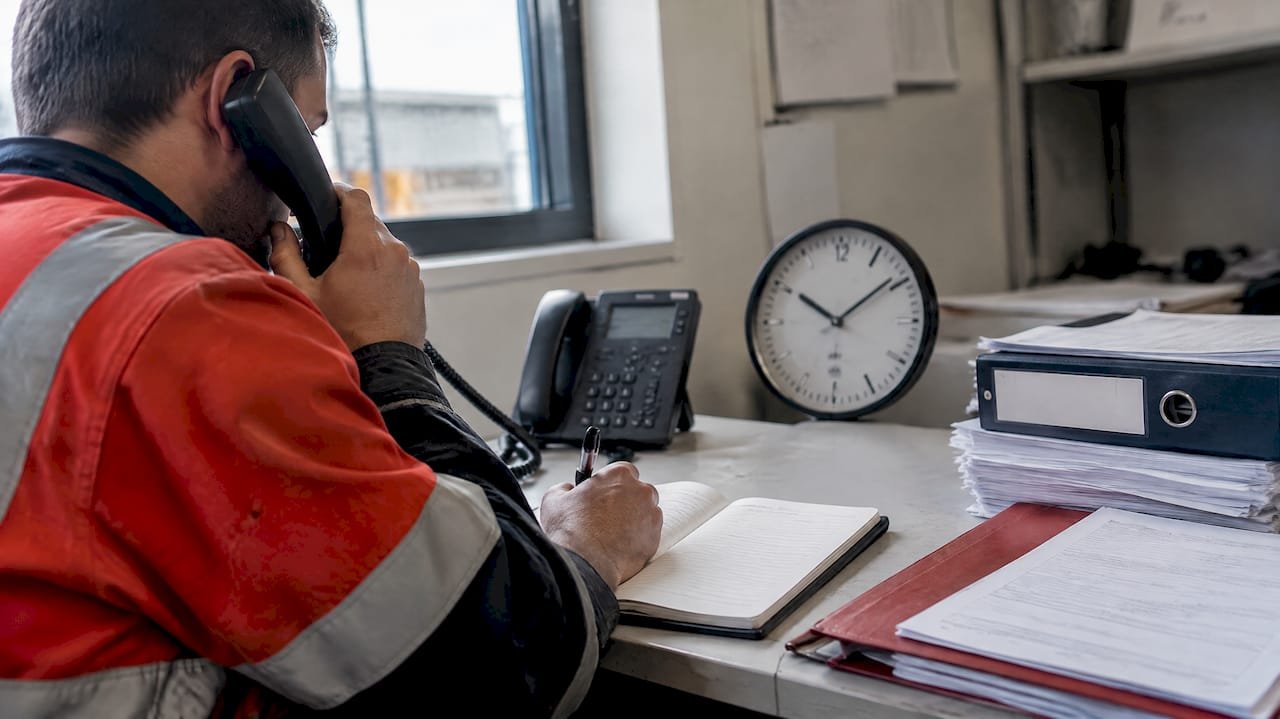
Not every contact matters equally, and giving the wrong person the first call wastes time you don’t have.
- 000, first and only for genuine life-safety threats such as collapse, fire, or breathing difficulty.
- A licensed asbestos removalist, matched to the right licence class for the material involved, to assess and plan the removal.
- An independent licensed asbestos assessor, who will later confirm the air is safe before anyone re-occupies the space.
- The workplace regulator, if the situation falls under the emergency notification pathway for sudden, unplanned damage.
- Your insurer and property manager, logged in writing, since asbestos incidents often trigger liability and coverage questions.
Whoever you call first, have the same details ready: the property address, a plain description of what happened (storm damage, a hole punched through a wall, a collapsed ceiling), whether you believe the material is asbestos-containing, and any photos taken from a safe distance. A compliance checklist can help you confirm you’ve covered the essentials before the removalist arrives.
Containing the hazard while you wait for professionals
There’s a narrow band of useful action between “do nothing” and “attempt removal yourself”, and it’s worth knowing where that line sits.
What you can safely do:
- Lightly mist visible debris with water, or a diluted PVA and water mix, to dampen fibres without disturbing the material further.
- Cover and weigh down debris with heavy plastic sheeting if it’s exposed to wind or foot traffic.
- Double-bag small, already-detached fragments in heavy-duty plastic bags, sealed and clearly labelled, if you must move them to stop them spreading further.
- Wear a P2 respirator, disposable overalls, and gumboots if you absolutely must enter briefly, then remove and bag the PPE immediately afterward and wash your hands and face.
What you must never do:
- Never sweep or use a household vacuum. A household vacuum cannot capture fine fibres and will instead launch them into the air; only an H-class HEPA industrial vacuum, used with wet-wipe methods, is appropriate.
- Never use a high-pressure hose on asbestos debris, since the force shatters material and spreads fibres over a wide area.
- Never cut, drill, or use power tools near suspected asbestos-containing material.
- Never launder contaminated clothing with other washing.
After storms or fires, debris often lands well outside the original structure, on lawns, in gutters, or over a neighbour’s fence line. Guidance on storm and fire cleanup recommends keeping that scattered material wet, avoiding mowing or raking contaminated lawns, and removing visible surface debris as soon as it’s reasonably practicable rather than leaving it to weather further.
Pro Tip: If debris has landed on a neighbour’s property, tell them directly and encourage the same no-disturb approach. Fibres don’t respect boundary lines.
Notifying the regulator and keeping the right paperwork
Emergency asbestos work sits in a specific legal category, and getting the sequence right matters for compliance as much as safety.
- Sudden, unplanned events such as burst pipes, structural collapse, or essential service failure can allow removal to begin immediately, without the usual five days’ written notice, under the model Code of Practice.
- Notify by phone immediately, then follow up in writing within the timeframe the regulator sets, typically within 24 hours of the emergency work starting.
- An asbestos removal control plan (ARCP) and safe work method statement (SWMS) still need to be prepared for the emergency work, covering the material type, removal method, and control measures, even when the notice period itself is waived.
- Keep every record: an incident log, photos, contractor receipts, and waste tracking documentation, since these protect you if the incident is later questioned by an insurer, tenant, or regulator.
- Confirm requirements with your own state or territory regulator, because notification thresholds and emergency exemptions differ between jurisdictions.
A pre-demolition asbestos inspection earlier in a property’s life makes this entire step faster, since there’s already a register of where asbestos-containing material sits on site.
What a licensed removalist actually does on site
Once a licensed contractor arrives, the process follows a set sequence built around containing fibres and proving the air is safe before anyone goes back in.
- Classification first. The material is assessed as friable (crumbly, fibres release easily) or non-friable (bonded, more stable), which determines whether a Class A or Class B licensed removalist is required.
- Site setup. For friable material, this typically means a sealed enclosure, a negative pressure unit to stop fibres escaping, a decontamination unit for workers, and signage restricting access.
- Removal technique. Wet spray methods dampen the material before it’s disturbed; glove bags are used for small, localised friable removals; an H-class HEPA vacuum handles residual dust.
- Control monitoring. Air is monitored during the work itself to check containment is holding.
- Independent clearance monitoring. Once removal is finished, an independent licensed asbestos assessor, not the removal contractor, tests the air before the enclosure can be dismantled.
Guidance from Asbestos Queensland cites a clearance target of below 0.01 fibres per millilitre of respirable asbestos fibre as the reference point before an area is declared safe to re-occupy. Enclosures cannot legally be taken down until that result comes back clear, which is why visual cleanliness alone is never treated as proof of safety.
An emergency removalist’s response timeline typically runs from urgent assessment through to clearance certificate, and knowing that sequence in advance helps property managers set realistic expectations with tenants or staff.
Getting the waste off site legally
Removal isn’t finished until the waste has left the property the right way.
- Double-bag all asbestos waste in heavy-duty, sealed plastic bags, with the outer bag labelled “asbestos waste” and dated.
- Transport only to an approved facility licensed to accept asbestos waste, never a general waste bin or standard skip.
- Keep the disposal receipt and waste tracking documentation, since these prove the material was handled lawfully and will be asked for if a dispute or inspection follows.
- Treat informal dumping as both illegal and dangerous: it shifts the hazard onto whoever encounters it next, and it carries real penalties under hazardous waste law.
- Expect your removalist to hand over a full paper trail on completion, including the clearance certificate, waste transport docket, and disposal facility receipt.
If you’re dealing with contaminated soil after fire or storm damage rather than building material, the removal and disposal rules differ slightly, and it’s worth understanding the thresholds for soil-based asbestos removal before deciding how much excavation is actually needed.
Looking after your health after suspected exposure
If you think you’ve breathed in or come into contact with asbestos fibres, the first move is simple: leave the area and don’t go back until it’s cleared.
- Don’t launder contaminated clothing at home; bag it separately or dispose of it, since washing can spread fibres through your machine and laundry.
- Call 000 only for severe breathing difficulty; for everything else, book a GP appointment and mention the suspected exposure directly.
- Register the exposure with the National Asbestos Exposure Register, which keeps a record for future medical follow-up.
- Understand there’s no short-term test that rules out long-term risk. Asbestos-related disease can take decades to appear, which is exactly why documenting the exposure now matters more than trying to get reassurance today.
What to expect from a licensed contractor on site
A compliant emergency response follows a predictable shape: urgent assessment, containment, licensed removal, lawful waste transport, and clearance paperwork before sign-off. Mission Demolition carries out licensed asbestos removal and emergency demolition work along this sequence, arranging independent air monitoring and clearance testing as part of the job rather than as an afterthought.
Before any contractor starts work, ask:
- What licence class do you hold, and does it match this material?
- Who is the independent assessor, and when do they test?
- What does the clearance certificate cover, and when will I receive it?
Acting fast while staying compliant
Speed and compliance aren’t opposites. A fast response that skips notification or clearance monitoring just moves the risk further down the line, onto the next occupant, the next inspection, or the next insurance claim. The area can look spotless and still fail an air test. Documentation isn’t paperwork for its own sake, it’s the only proof that the job was actually finished.
— Tarek
Get emergency asbestos removal started now
Licensed emergency asbestos removal and emergency demolition services are provided, backed by an ARCP and SWMS prepared for the specific job, independent clearance testing, and documented waste disposal receipts handed over at completion.
Have your address, a brief description of the damage, and photos ready if it’s safe to take them. Book an assessment through our asbestos removal service page or call now to get a licensed crew moving.
Sources
- How to safely remove asbestos – model Code of Practice (Safe Work Australia)
- Mesothelioma and asbestos exposure guidance (Healthdirect)
This article is general information, not a substitute for advice from a qualified doctor. Consult a qualified healthcare professional about your own circumstances before acting on anything here.
FAQ
What are the emergency procedures for asbestos exposure?
Leave the area immediately, avoid disturbing the material further, and don’t launder contaminated clothing at home. Call 000 only for severe breathing difficulty; otherwise, contact a licensed asbestos removalist and seek medical advice if you suspect exposure.
What is the 3-5-7 rule for asbestos sampling?
This isn’t a term used in official Australian guidance, and definitions of it vary depending on where you’ve seen it referenced. For sampling and classification requirements, the model Code of Practice is the authoritative source to follow.
Can I do asbestos removal myself?
Licensing and jurisdictional thresholds vary, and some small non-friable tasks may carry specific exemptions, but all work still needs a documented safe work method. DIY removal during an emergency is generally not advisable given the risk of uncontrolled fibre release.
Will 30 minutes of asbestos exposure hurt you?
There’s no short-term test that confirms whether a brief exposure will cause long-term harm, since asbestos-related disease can take decades to develop. The safest response is to leave the area, avoid further disturbance, and register the exposure for future medical follow-up rather than wait to see if symptoms appear.

Тут портале удастся отыскать важную информацию.
https://www.wantedly.com/id/ivan_rogov
SEO-продвижение сайтов — это совокупность действий, нацеленных на рост позиций в результатах поиска.
Ключевая цель SEO — поднять сайт в верхние позиции поисковой выдачи по нужным фразам.
создание сайта
Чтобы достичь такого результата специалисты выполняют внутренний аудит, работают над содержанием, структурой и ссылочным профилем.
В результате веб-ресурс становится популярнее в поиске, привлекает больше посетителей и повышает конверсию.